

Where Smart Money is Flowing in India: AIFs, GIFT City, and the 5.25% RBI Plateau
Table of Contents
India’s financial landscape in 2026 is unrecognizable from just a half-decade ago. We have officially moved past the era where domestic investors relied solely on 7% bank fixed deposits and global investors viewed India purely as an emerging market equity play.
Today, a structural transformation is underway. Domestic wealth is surging into Alternative Investment Funds (AIFs) at a record pace, while structural tax overhauls in GIFT City are aggressively drawing global capital onshore. Whether you are a domestic High Net Worth Individual (HNI) trying to generate alpha in a flat interest-rate environment, or a Non-Resident Indian (NRI) structuring a cross-border portfolio, the rules of the game have changed.
Here is exactly how smart money is navigating India’s capital markets in the second half of 2026.
Disclaimer: This article is for educational purposes only and does not constitute personalized financial advice. Alternative investments carry specific risks, including illiquidity. Always consult with a SEBI-registered investment advisor or tax professional before allocating capital.
The Macro Picture: The RBI’s Plateau and Global Bond Inclusion
To understand where to invest, you must understand the cost of capital.
Anchoring at 5.25%
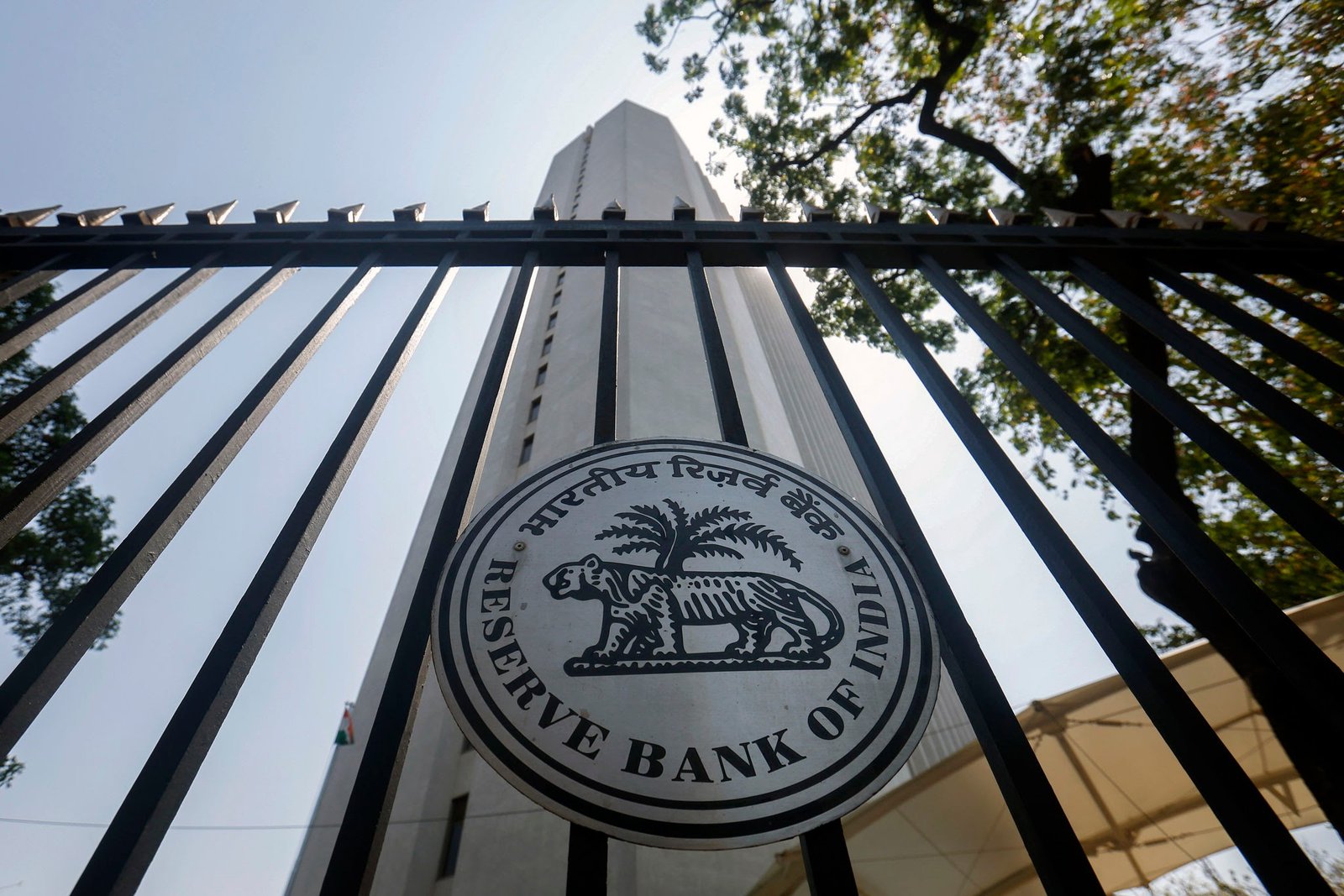
Following a series of rate cuts in 2025, the Reserve Bank of India’s Monetary Policy Committee (MPC) has firmly hit the brakes. As of their recent summer 2026 meetings, the RBI has unanimously held the benchmark repo rate steady at 5.25%, maintaining a “neutral” policy stance.
With FY27 CPI inflation projected upward to 5.1% (above the 4% target midpoint), the RBI is data-dependent, meaning the days of easy, predictable rate cuts are over. For domestic investors, this means the yields on traditional debt instruments have plateaued. To beat inflation and generate meaningful real returns, capital is being forced further out on the risk curve toward private credit and structured debt.
The $25 Billion Bloomberg Catalyst
While domestic rates are stable, foreign liquidity is accelerating. Following India’s successful inclusion in JP Morgan’s Government Bond Index, the market is bracing for India’s addition to the Bloomberg Global Aggregate Index, expected to be formalized by early 2027.
This inclusion is projected to drive an additional $20 to $25 billion of passive, rule-based foreign inflows into India’s Fully Accessible Route (FAR) bonds. This institutional demand provides a massive backstop for Indian sovereign debt, enhancing market depth, stabilizing the Rupee, and providing a fertile macroeconomic backdrop for private market growth.
The Domestic Shift: The Trillion-Rupee Rise of AIFs
Frustrated by the limitations of traditional mutual funds, Indian HNIs are flocking to Alternative Investment Funds (AIFs). The growth is staggering: as of March 2026, there are 1,849 registered AIFs in India, managing commitments of over Rs. 15.74 lakh crore (roughly $190 billion).
Why the shift? Alpha. Over the past year, 75% of Indian AIFs successfully generated positive alpha, drastically outperforming traditional large-cap mutual funds.
Demystifying the 3 Categories of AIFs

SEBI strictly regulates AIFs into three categories. Approximately 80% of all registered funds currently fall into Categories I and II, which focus heavily on unlisted securities and private markets.
| Parameter | Category I (Venture/Impact) | Category II (PE/Debt) | Category III (Hedge Funds) |
| Focus | Startups, SMEs, Infrastructure, Social Impact | Private Equity, Private Credit, Distressed Assets | Public Equities, Derivatives, Complex Trading |
| Structure | Close-ended | Close-ended | Open or Close-ended |
| Tax Status | Pass-through (taxed at investor level) | Pass-through (taxed at investor level) | Taxed at the fund level |
| Minimum Tenure | 3 years | 3 years | No minimum restriction |
The “Accredited Investor” Advantage
One of the biggest regulatory shifts driving this boom is SEBI’s updated “Accredited Investor” framework. As of April 2026, the number of accredited investors in India surged by over 300% to 2,773.
Achieving this status allows investors to bypass the standard 1,000-investor cap on AIF schemes, effectively allowing top-tier fund managers to scale their AUM limitlessly while offering bespoke, high-yield private credit and equity products to their wealthiest clients.
The Global Gateway: GIFT City’s 2026 Tipping Point
If AIFs are the engine of domestic wealth, Gujarat International Finance Tec-City (GIFT City) is the gateway for global capital.
Located between Ahmedabad and Gandhinagar, the International Financial Services Centre (IFSC) at GIFT City allows investors to trade in foreign currencies, repatriate funds freely, and enjoy unprecedented tax holidays.
April 2026: The Tax-Free Relocation Boom
GIFT City reached a massive tipping point in April 2026 with a transformative tax ruling: Offshore mutual funds and ETFs based in jurisdictions like Singapore or Mauritius can now relocate to GIFT City without incurring capital gains tax.
Coupled with a complete exemption from Securities Transaction Tax (STT) and stamp duty, this tax-neutral relocation is causing a tidal wave of global funds to shift their base of operations directly onshore to India.
Structuring for NRIs and Foreign Family Offices
For Non-Resident Indians (NRIs) and global family offices, GIFT City solves the historical headache of currency risk and messy NRO (Non-Resident Ordinary) account mixing.
In April 2026, the IFSC Authority approved India’s very first Foreign Family Investment Fund (FFIF), cementing GIFT City as a legitimate alternative to Dubai for cross-border succession planning and private wealth structuring.
Actionable Strategies: How to Deploy Capital Today
Whether you are based in Mumbai or Manhattan, deploying capital into India’s alternative ecosystem requires a strategic approach.
1.Assess Your Eligibility for AIFs:Required for domestic HNIs..
Determine if you meet the Rs. 1 crore minimum ticket size required for standard Indian AIFs. If you possess substantial wealth or income, apply for SEBI’s “Accredited Investor” status to unlock bespoke, high-capacity funds and lower entry barriers.
2.Open an IFSC Banking Unit (IBU) Account:NRIs only..
To bypass rupee-conversion friction, NRIs should open a Global Savings Account in foreign currency (e.g., USD) at a GIFT City IBU (like ICICI, HDFC, or SBI). IFSCA’s new AI-based video KYC allows this to be done entirely remotely in 15-30 minutes.
3.Allocate to Private Credit for Yield:
With the RBI repo rate locked at 5.25%, look toward Category II AIFs specializing in private credit and venture debt. These funds frequently target IRRs of 12% to 15%, compensating you for the 3-year illiquidity lock-up.
4.Consolidate Offshore Structures:Utilize the April 2026 tax rules..
If you manage an offshore India-focused fund in Mauritius or Singapore, consult a tax advisor immediately to model the financial benefits of the April 2026 tax-neutral relocation provision to shift your domicile to GIFT City.
Frequently Asked Questions
What is the RBI’s current benchmark repo rate?
As of mid-2026, the RBI has held its benchmark repo rate steady at 5.25%, maintaining a "neutral" policy stance after a series of cuts through 2025.
What are Alternative Investment Funds (AIFs) and how big is the market?
AIFs are privately pooled investment vehicles regulated by SEBI outside the traditional mutual fund structure. As of March 2026, there are 1,849 registered AIFs in India managing over Rs. 15.74 lakh crore (roughly $190 billion) in commitments.
What are the three categories of AIFs?
Category I covers venture capital, startups, SMEs, and social-impact funds. Category II covers private equity, private credit, and distressed assets. Category III covers hedge-fund-style strategies in public equities and derivatives. Categories I and II are taxed pass-through at the investor level; Category III is taxed at the fund level.
What is the minimum investment required for an AIF?
Standard Indian AIFs require a minimum ticket size of Rs. 1 crore. Investors who qualify for SEBI’s "Accredited Investor" status can access funds with lower entry barriers and bypass the standard 1,000-investor cap on AIF schemes.
What is an SEBI "Accredited Investor"?
It’s a status for high-net-worth individuals that unlocks access to bespoke, high-capacity AIF products. The number of accredited investors in India surged over 300% to 2,773 as of April 2026.
What tax benefit did GIFT City introduce in April 2026?
Offshore mutual funds and ETFs based in jurisdictions like Singapore or Mauritius can now relocate to GIFT City without incurring capital gains tax, alongside a full exemption from Securities Transaction Tax (STT) and stamp duty.
How can NRIs open an account at GIFT City?
NRIs can open a Global Savings Account in foreign currency at a GIFT City IFSC Banking Unit (IBU), such as those run by ICICI, HDFC, or SBI. IFSCA’s AI-based video KYC allows this to be completed remotely in 15u201330 minutes.
Why is India expected to see more foreign bond inflows?
India’s anticipated inclusion in the Bloomberg Global Aggregate Index, expected by early 2027, is projected to drive an additional $20u2013$25 billion in passive foreign inflows into India’s Fully Accessible Route (FAR) bonds, following its earlier inclusion in JP Morgan’s Government Bond Index.
What returns do Category II private credit AIFs typically target?
With the RBI repo rate held at 5.25%, Category II AIFs specializing in private credit and venture debt frequently target IRRs of 12% to 15%, compensating investors for a typical 3-year illiquidity lock-up.
Is this article personalized investment advice?
No. This content is for educational purposes only. Alternative investments carry specific risks, including illiquidity, and readers should consult a SEBI-registered investment advisor or tax professional before allocating capital.
Conclusion: The Convergence of Domestic and Global Wealth
The narrative that India is simply a “high-growth public equities market” is outdated. In 2026, the real wealth generation is happening in the private markets and offshore structuring hubs.
By holding rates steady, the RBI has provided a stable macro environment. SEBI has empowered domestic HNIs through the rapidly expanding AIF ecosystem. And through aggressive tax incentives, the government has turned GIFT City into a legitimate rival to global financial capitals. The infrastructure is built—it is now up to investors to capitalize on it.